

Unlocking Assam’s Hidden Rabi Potential
ICAR’s targeted push to utilize Assam’s rice fallows is unlocking rabi potential, boosting productivity, incomes, and cropping intensity across the state

Dr Kadrivel Govindasamy
ne of the most prominent structural weaknesses of agriculture in the northeastern state of Assam is the predominance of monocropping, particularly the widespread cultivation of Sali rice during the kharif season. Agriculture in Assam is largely rainfed, and the majority of farmers depend on a single crop cycle, typically centered on Sali rice, which occupies a substantial portion of the total cultivated area. While Sali rice plays a crucial role in ensuring food security for the state, the overdependence on this single crop has resulted in inefficient utilization of agricultural land and resources. Following the harvest of Sali rice, a large proportion of agricultural fields remain uncultivated during the rabi season. These rice fallow lands represent a significant untapped potential for crop intensification and diversification. Each year, this underutilization leads to economic losses, wastage of valuable land and water resources, and limited employment opportunities for rural households. If these fallow lands were effectively utilized, they could substantially enhance agricultural productivity, increase farmers’ income, and contribute to the overall development of the agricultural economy of Assam.
The persistence of rice fallow lands after the harvest of Sali rice has long been recognized as a critical issue by policymakers, researchers, and agricultural development agencies. Various studies have highlighted that Assam possesses favourable agro-climatic conditions for the cultivation of short-duration rabi crops such as oilseeds, pulses, and vegetables. However, several constraints have historically limited the adoption of rabi cropping systems. These include inadequate irrigation infrastructure, lack of awareness about suitable crop varieties, limited availability of quality seeds, insufficient extension support, and poor market linkages. Additionally, small and fragmented landholdings, coupled with limited mechanization, have further restricted farmers from adopting double cropping systems. Consequently, despite the presence of residual soil moisture and suitable climatic conditions, vast tracts of rice fallow lands remain unused during the winter months.
Recognizing the enormous potential of rice fallow areas, the Indian Council of Agricultural Research (ICAR) has initiated a strategic intervention under the concept of “One Team One Task.” This initiative aims to promote effective and sustainable utilization of rice fallow lands across the country, particularly in the Eastern and North-Eastern regions where monocropping is prevalent. The programme emphasizes crop intensification, diversification, and integration of scientific technologies to enhance productivity and farmers’ income. By adopting a collaborative approach, ICAR has brought together research institutions, state agricultural universities, extension agencies, and state departments to address the issue in a comprehensive and coordinated manner. The initiative also focuses on promoting commercially viable crops that can generate higher returns for farmers while contributing to food and nutritional security.
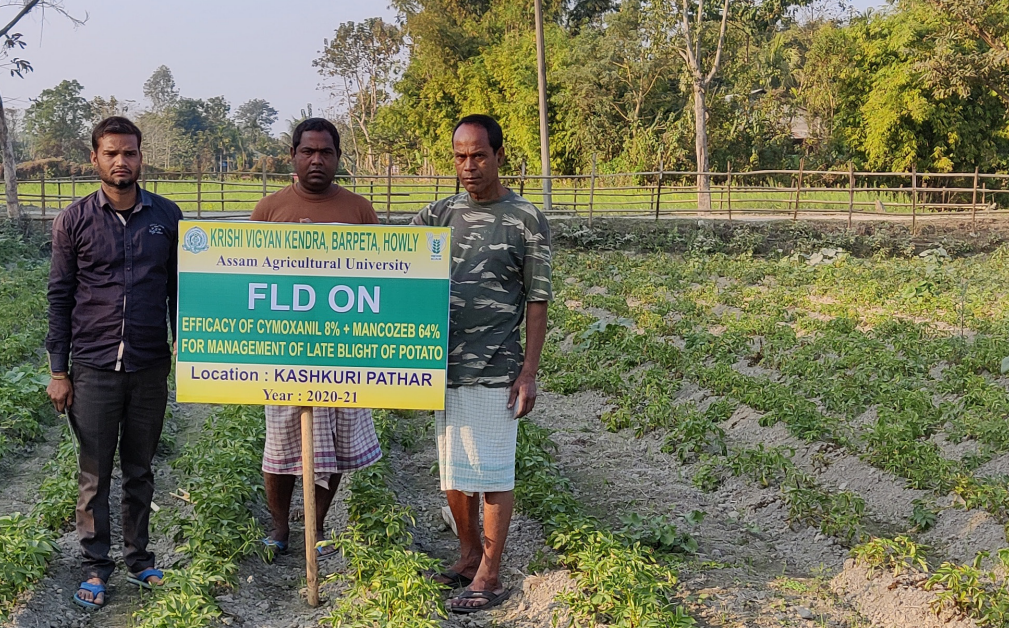
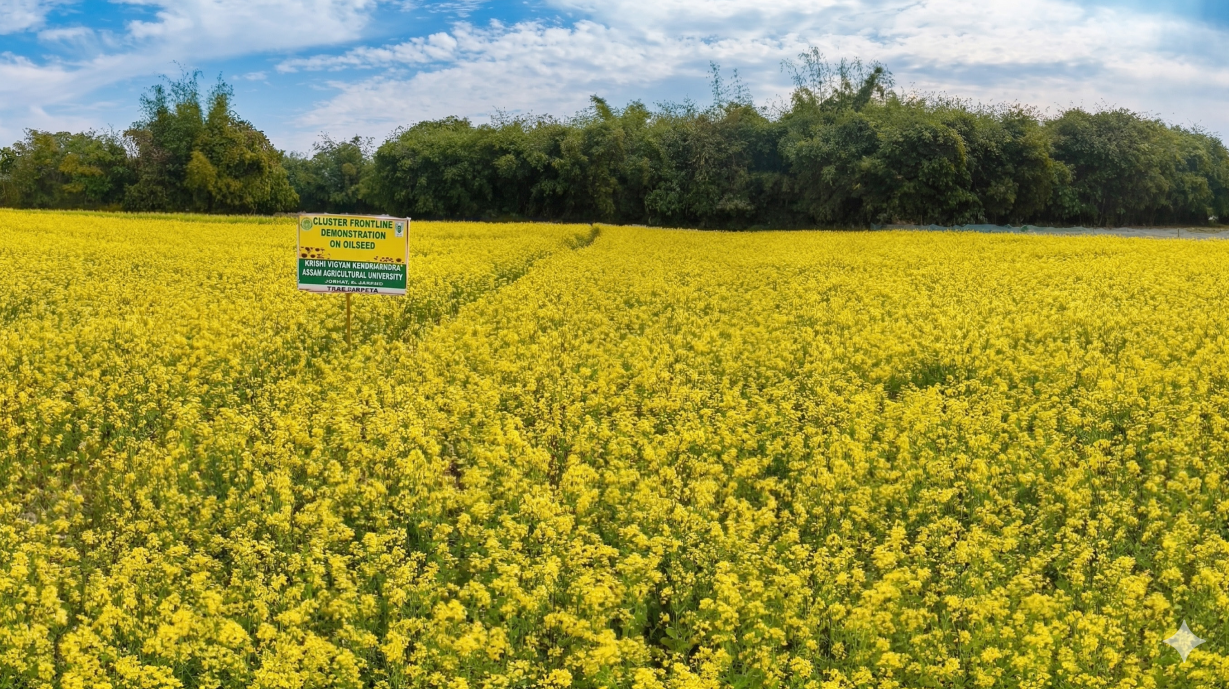
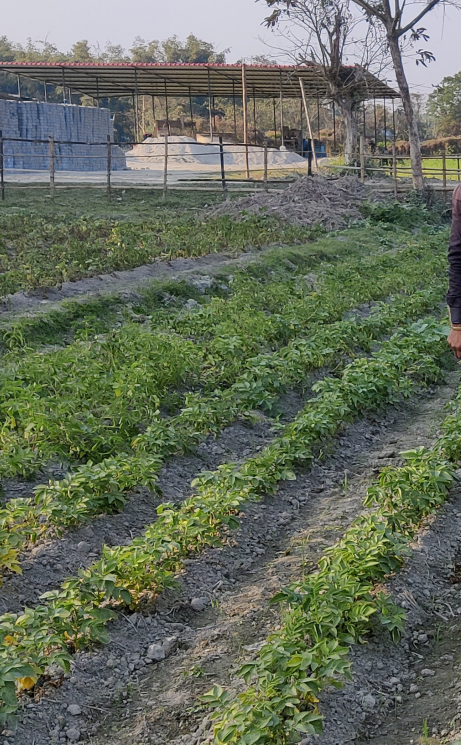
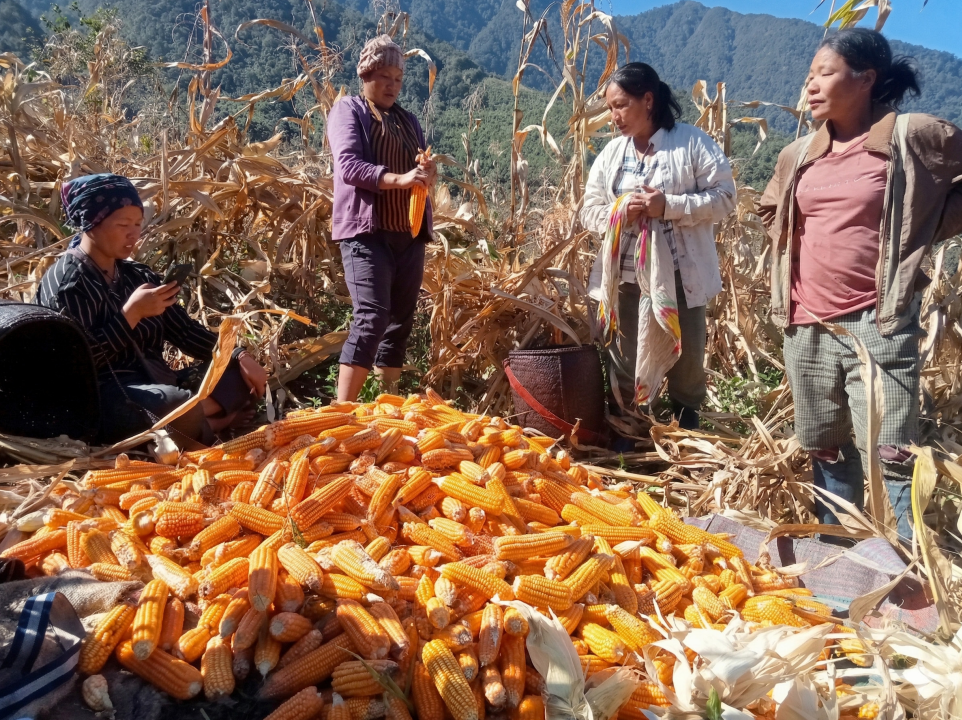
In line with this national initiative, the Indian Council of Agricultural Research– Agricultural Technology Application Research Institute (ICAR-ATARI), in convergence with crop-specific ICAR institutes, Assam Agricultural University, and the State Departments of the Government of Assam, has undertaken a targeted programme to bring 30,000 hectares of rice fallow land under cultivation during the current rabi season. This effort represents a significant step toward crop diversification and improved land utilization in the state. The initiative promotes the cultivation of suitable and remunerative rabi crops such as toria, maize, potato, and lentil, based on their adaptability to local agro-climatic conditions and market demand. Out of the targeted area, toria has been allocated 17,000 hectares, maize 7,000 hectares, potato 4,000 hectares, and lentil 2,000 hectares.
By adopting a collaborative approach, ICAR has brought together research institutions, state agricultural universities, extension agencies, and state departments to address the issue in a comprehensive and coordinated manner.
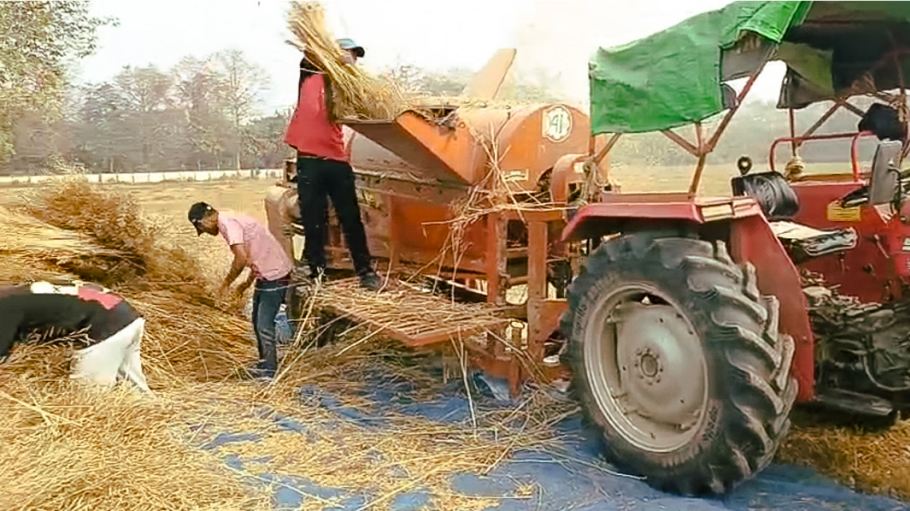
To ensure successful implementation of the programme, quality seeds of high-yielding and proven varieties have been supplied to farmers free of cost through the network of 26 Krishi Vigyan Kendras (KVKs) across Assam. The timely distribution of seeds has played a crucial role in encouraging farmers to adopt rabi cropping. Special emphasis has been placed on toria cultivation to address the edible oil deficit in the state. Improved high-yielding varieties such as TS-36, TS-38, and TS-67 have been promoted among farmers, along with scientific crop management practices. These varieties are known for their short duration, higher yield potential, and adaptability to residual moisture conditions, making them ideal for rice fallow areas. In addition to seed distribution, extensive capacity-building programmes have been organized to enhance farmers’ knowledge and skills. Training programmes, field demonstrations, and exposure visits have been conducted to educate farmers about improved production technologies, nutrient management, pest and disease control, and post-harvest handling. Agro-advisory services have been provided through regular field visits by scientists and extension personnel, ensuring timely technical guidance. Continuous monitoring and evaluation of the programme have helped identify field-level challenges and implement corrective measures. These coordinated efforts have significantly improved farmers’ confidence and encouraged the adoption of rabi crops in previously fallow lands. Preliminary results from the programme have been highly encouraging. Crop cutting experiments conducted in different districts have indicated substantial yield improvements. Based on the area coverage and productivity levels, an increase in production is anticipated, estimated at approximately 50,000 tonnes in maize, 32,000 tonnes in potato, and 2,000 tonnes in lentil. These outcomes demonstrate the potential of rice fallow land utilization in boosting agricultural output. Moreover, the successful cultivation of these crops has generated additional income for participating farmers, thereby improving their economic condition and livelihood security.
Building on the success of the current initiative, a comprehensive roadmap has been proposed to scale up the programme over the next five years. The roadmap aims to reduce rice fallow areas by at least 60% by bringing approximately 4.0 to 5.0 lakh hectares of land under rabi cultivation. This translates to an annual expansion of at least one lakh hectares (1 lakh ha) of rice fallow land. Such large-scale adoption is expected to significantly increase cropping intensity in the state. At present, the cropping intensity in Assam is around 120%, reflecting limited double cropping. With the expansion of rabi cultivation, cropping intensity is projected to increase to nearly 180%. This shift will facilitate the widespread adoption of double cropping systems such as Rice–Toria, Rice–Maize, and Rice–Potato sequences.
To ensure successful implementation of the programme, quality seeds of high-yielding and proven varieties have been supplied to farmers free of cost through the network of 26 KVKs. Timely distribution of seeds has played a crucial role in encouraging farmers to adopt rabi cropping.
The proposed initiative is also expected to bring substantial improvements in productivity and production of key rabi crops. Toria cultivation is projected to witness significant area expansion along with a productivity increase of 20 to 30 percent through the adoption of improved varieties and scientific management practices. This will contribute to reducing the edible oil deficit in the state and decrease dependence on imports from other regions. Similarly, maize productivity is expected to increase by 30 to 40 percent with the introduction of hybrid varieties and improved agronomic practices. Maize holds immense potential as a commercial crop, as it serves multiple purposes, including food, feed, and industrial uses such as bio-ethanol production. Increased maize production will also help address feed shortages for the livestock and poultry sectors. Potato cultivation is another important component of the initiative. The expansion of potato cultivation in suitable agro-climatic zones is expected to increase productivity by 25 to 35 percent. As a high-value cash crop, potato offers better returns to farmers compared to traditional crops. The availability of improved varieties, combined with better storage and marketing facilities, will further enhance its profitability. Lentil cultivation in rice fallow areas will also contribute to improving soil fertility through biological nitrogen fixation while providing a proteinrich food source for local communities.
The economic impact of the programme is expected to be substantial. Farmers adopting rabi crops in rice fallow areas are projected to earn an additional income ranging from `30,000 to `60,000 per hectare annually. This increase in income will be driven by crop diversification, improved productivity, and better market opportunities and creation of employment opportunities. Rural labourers who remain unemployed after the harvest of Sali rice will find gainful employment in land preparation, sowing, intercultural operations, harvesting, and post-harvest activities. This will reduce seasonal unemployment and improve rural livelihoods.
Furthermore, the initiative is expected to stimulate the growth of rural enterprises related to input supply, farm mechanization, storage, processing, and transportation. The increased production of maize, oilseeds, and potatoes will create opportunities for value addition and agro-processing industries. The development of these allied sectors will contribute to rural economic growth and reduce distress migration to urban areas. Improved market linkages and infrastructure development will further strengthen the agricultural value chain. The programme also has significant implications for food and nutritional security. Increased production of oilseeds will help bridge the edible oil gap, while the cultivation of pulses such as lentil will enhance protein availability. Maize and potato production will contribute to carbohydrate supply and feed resources. The diversification of crops will improve dietary diversity and nutritional outcomes for rural households. Additionally, the inclusion of legumes in cropping systems will improve soil health by enhancing organic matter content and nitrogen availability. The targeted interventions undertaken by ICAR-ATARI through convergence with other ICAR institutions, State Agricultural Universities, Line departments, Krishi Vigyan Kendras and other stakeholders demonstrated that through proper planning, timely input supply, and strong extension support, rice fallow areas can be successfully brought under productive cultivation which can significantly reduce fallow lands in Assam, thereby, increase cropping intensity, enhance productivity, and improve farmers’ income. With continued support from concerned stakeholders, Assam can move toward achieving self-sufficiency in agricultural production and emerge as a model for other North-Eastern states in rice fallow land utilization and intensification.
Toria cultivation is projected to witness significant area expansion along with a productivity increase of 20 to 30 percent through the adoption of improved varieties and scientific practices. This will contribute to reducing the edible oil deficit in the state and decrease dependence on imports.
RNI No: DELBIL/2024/86754 Email: [email protected]