

A Difficult Year, A New Hope
The current financial year (2026–27) is going to be a difficult one for India’s farmers and agricultural sector

Harvir Singh
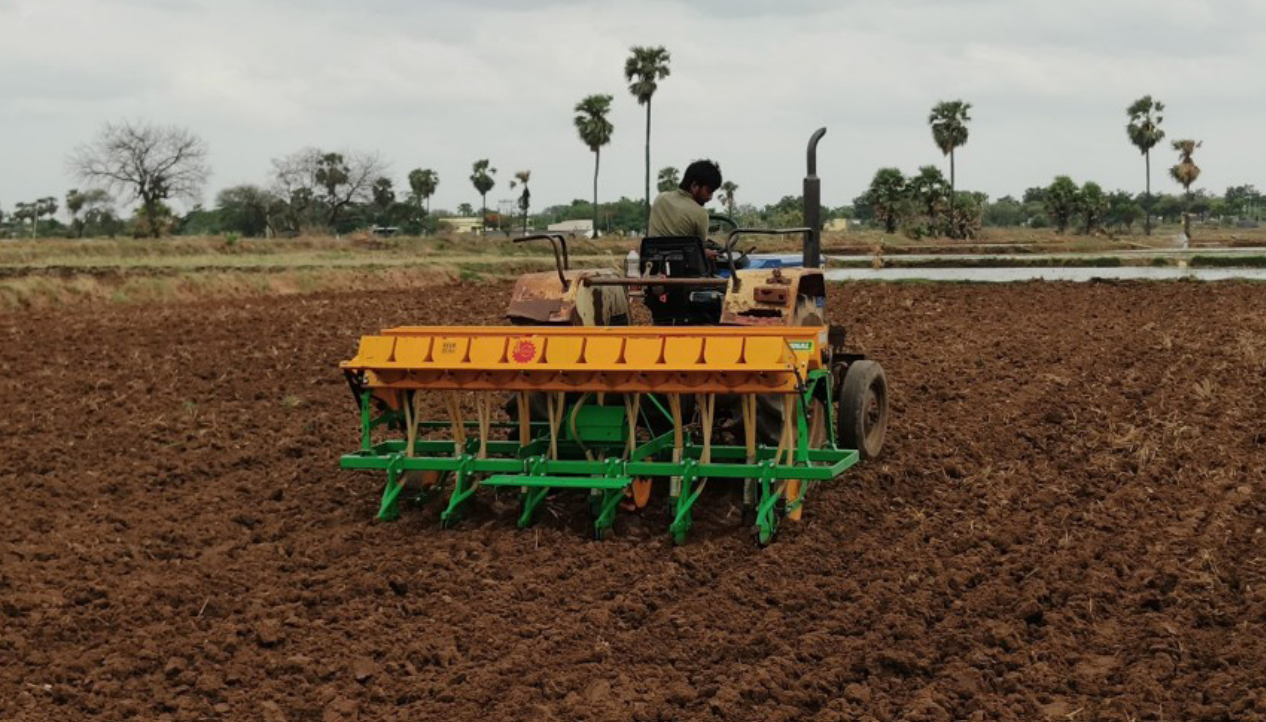
The current financial year (2026–27) is going to be a difficult one for India’s farmers and agricultural sector. The 2026 monsoon ended with the lowest rainfall in the past decade. Between June and September, the country received around 13 per cent less rainfall than normal. Before this, monsoon rainfall was 12.7 per cent below normal in 2015. A strong El Niño is considered the main reason behind this rainfall deficit. The impact of below-normal rainfall is visible across several states. Drought-like conditions prevail in Karnataka, Maharashtra, parts of Andhra Pradesh, Telangana and Rajasthan. Meanwhile, heavy rainfall and floods have damaged crops in many parts of the country. An estimated 6.11 lakh hectares of cropped area have been affected so far. The uneven distribution of rainfall has emerged as a major challenge this year. The crisis is not limited to the Kharif season; water shortages could also affect sowing during the Rabi season. In view of the situation, the government has lowered its foodgrain production estimates and targets.
Agricultural gross domestic product (GDP) is expected to contract during the current financial year. The impact is being felt not only by farmers but also across the wider economy. Inflation is rising, and the Reserve Bank of India has had to raise policy interest rates. Some states have declared droughtaffected areas and are awaiting relief packages from the Centre. However, the central government and the Ministry of Agriculture have yet to announce a relief package for farmers amid this difficult situation, although central teams are being sent to assess the ground realities.
dia’s farmers, one that could become an important source of additional income. For the first time, farmers in the country have received payments for carbon credits. A carbon credit project launched in 2019 with farmers in Punjab and Haryana has now translated into money reaching their bank accounts. Around 2,500 farmers in the two states have received carbon credit payments. However, both the farmers and Grow Indigo, the company implementing the project, have had to wait patiently for seven years to reach this stage. Several private companies are implementing carbon farming projects across the country, with millions of farmers joining these initiatives. Carbon credits in agriculture can primarily be generated in two ways. The first involves adopting farming practices that increase the storage of organic carbon in the soil. The second involves reducing greenhouse gas emissions by changing agricultural practices. Eligibility for carbon credits is determined on the basis of scientific standards and approved methodologies.
The company implementing a project can sell these credits in the market and, under the agreed arrangement, share a portion of the proceeds with farmers. Under Grow Indigo’s project, the company has paid farmers even before selling the carbon credits.
The benefits of carbon farming extend beyond additional income for farmers. It can also help improve soil health, conserve water and reduce cultivation costs. Some regenerative agriculture practices involve reducing or eliminating tillage and leaving crop residues in the field. These practices can help increase carbon storage in the soil and improve its health.
Thus, even in a difficult year, a new source of hope has emerged for farmers. This issue of Rural World focuses on the opportunities offered by carbon credits. Through contributions from leading experts, we have attempted to explain the subject and examine its implications.
The cover story begins with an article by Dr M. L. Jat, Secretary of the Department of Agricultural Research and Education (DARE), Government of India, and Director General of the Indian Council of Agricultural Research (ICAR). In his article, Umang Agrawal, Chief Operating Officer (COO) of Grow Indigo, explains the processes involved in assessing and regulating carbon credits and how farmers can benefit from them. Shanti Jagadabhi, a soil science expert at the International Fertilizer Development Center, and Yashpal Singh Sehrawat, its Global Director, share insights from international research, emerging agricultural practices and their benefits for both the environment and farmers.
This issue of Rural World also features an article by Dr Siba Prasad Mohanty, Managing Director of Hindustan Urvarak & Rasayan Limited (HURL). The article highlights the need for policy changes to promote green urea and the use of domestically available feedstocks in India.
RNI No: DELBIL/2024/86754 Email: [email protected]